

Assisted living vs home care comes down to where support is provided, how often help is needed, how much family coordination is realistic, and whether a senior’s current home can continue to support daily routines, safety, meals, housekeeping, and emergency planning in a steady, dependable way.
The choice can feel personal for everyone involved. You may be balancing a loved one’s wish to remain at home with growing concerns about daily support. Serenity Pointe in Zephyrhills, Florida, offers Assisted Living for families exploring a residential care setting. The comparisons below can help you consider each option with greater confidence.
Assisted Living vs. Home Care: What Is the Main Difference?
Assisted living provides daily support within a residential community, while home care brings scheduled assistance into a person’s current home. The right setting depends on the level of help needed, the living environment, available family support, and how reliably the care arrangement can be maintained.
What Assisted Living Means
Assisted living combines a residential setting with support for daily needs. Services vary by community, so families should review what is included. Assisted Living at Serenity Pointe includes personalized care plans, daily assistance, housekeeping support, meal support, 24/7 staff support, and emergency response systems.
What In-Home Care Means
In-home care provides support in the senior’s current residence. The schedule, type of assistance, and responsibilities covered depend on the individual care arrangement. Families comparing assisted living versus in-home care should confirm what the provider includes and which household responsibilities will remain with the senior or family.
Home care and home health care should not automatically be treated as the same service. Medicare’s explanation of home health services describes home health as health care delivered at home for an illness or injury. Ask each provider to explain its role and services clearly.

Compare the Two Options Side by Side
The clearest comparison looks beyond location. It considers how support is delivered, what the family must coordinate, and whether the arrangement can continue meeting the senior’s needs.
| Decision Factor | Home Care | Assisted Living | Question for Your Family |
| Living setting | Support is provided at home | Support is provided in a residential community | Which environment feels sustainable? |
| Daily assistance | Depends on the provider and schedule | May include planned daily assistance | How often is help needed? |
| Meals | Families should verify what is included | May be included by the community | Is consistent meal support important? |
| Housekeeping | Depends on the care arrangement | May be part of community services | Who currently manages the home? |
| Staff availability | Depends on the provider and schedule | Depends on the community | Is help needed outside set hours? |
| Emergency planning | May require separate arrangements | May include community response systems | What happens if help is needed quickly? |
| Family coordination | Families may manage several responsibilities | Community staff may coordinate approved support | What can the family maintain consistently? |
| Cost structure | Based on the selected care arrangement | Based on residence, services, and care needs | What is included in each option? |
Neither setting is automatically right for every senior. The better fit is the one that can provide dependable support while respecting the person’s preferences and the family’s realistic ability to help.
In-Home Care vs. Assisted Living Costs: Compare the Full Value
In-home care vs assisted living costs should be compared by looking at the complete care arrangement. A quoted rate may not show which daily needs, household responsibilities, and support services are included. Consider these questions as you compare both options:
- How many hours of assistance are needed?
- Are meals and housekeeping included?
- Who manages appointments and emergencies?
- Which home responsibilities will continue?
- Could the level of support increase?
The phrase “in-home assisted living cost” can be confusing because assisted living is a residential setting. If you are searching for “in-home assisted living near me,” first clarify whether you want care delivered at home or an assisted living community nearby. Ask each provider for a clear explanation of its services before comparing overall value.
Look Beyond Location to the Support Needed Each Day
Daily life often reveals more than a general care label. The Administration for Community Living reports that someone turning 65 today has almost a 70% chance of needing some type of long-term care services and supports during their remaining years. This figure covers long-term care broadly and does not predict one person’s path.
Questions worth discussing include:
- Is help with daily activities becoming more frequent?
- Are meals meeting current nutritional needs?
- Is the home clean and manageable?
- Is there a reliable emergency response plan?
- Can the family sustain its current involvement?
Serenity Pointe provides personalized daily assistance, nutritionist-designed menus, meals adjusted to nutritional needs, housekeeping support, personalized routines, 24/7 staff support, and emergency response systems. Families seeking more local context can also explore Assisted Living Zephyrhills, FL: Senior Care Nearby. Being honest about what your family can sustain helps you build a dependable plan without placing too much responsibility on one person.
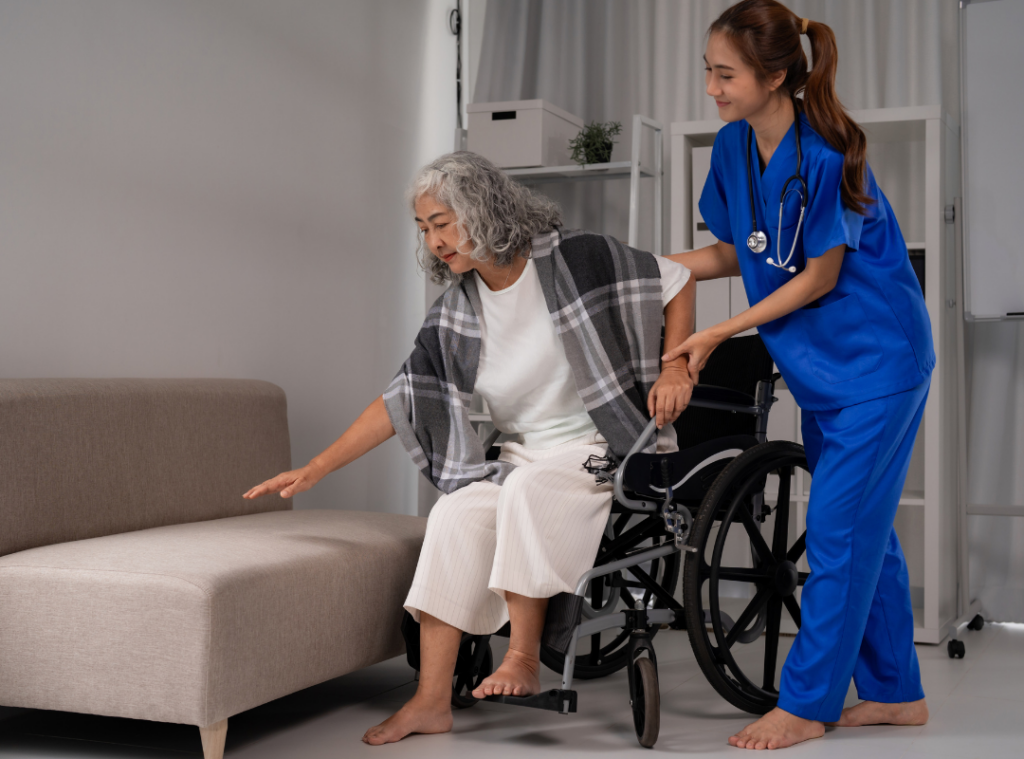
When Each Care Setting May Be Worth Exploring
The right setting should match the senior’s daily needs and the family’s ability to maintain the plan.
Home Care May Be Worth Exploring When
Home care may be worth exploring when the senior prefers to remain in the current residence, the home can continue supporting daily needs, and assistance can be arranged consistently. Families should also feel confident managing any responsibilities that are not covered and maintaining a dependable emergency plan.
Assisted Living May Be Worth Exploring When
Assisted living may be worth exploring when daily assistance is becoming more frequent or when meal preparation, housekeeping, routines, and emergency planning are placing greater demands on the senior or family. A residential setting may also help when personalized support and access to staff throughout the day are priorities.
A Care Assessment can help your family organize these concerns before discussing the available options.
Imagine an adult daughter who visits regularly but cannot provide steady support with meals, housekeeping, daily routines, and unexpected needs. The question is not whether she cares enough. The question is whether the current arrangement can reliably meet her parent’s needs without placing too much responsibility on one person.
Assisted Living, Nursing Homes, and Long-Term Care Are Not the Same Terms
Assisted living, nursing homes, senior living, and long-term care are not interchangeable. The National Institute on Aging’s overview of long-term care facilities can help families understand why different settings may serve different needs.
Families comparing assisted living or nursing home care should first ask how the living setting and daily support differ. Questions about long term care vs assisted living and assisted living vs nursing home also call for a clear review of staff availability, included services, and any clinical care. The same approach helps with senior living vs nursing home or enhanced assisted living vs nursing home, since providers may use related terms differently. Serenity Pointe provides Assisted Living in Zephyrhills, Florida.
Take the Next Step With Greater Clarity
Your decision should reflect more than age or location. Look at daily support needs, personal preferences, safety planning, family capacity, and everything included in each care arrangement. A plan that works consistently can give both the senior and family greater confidence.
Serenity Pointe offers personalized Assisted Living in Zephyrhills with daily assistance, nutritionist-designed menus, housekeeping support, 24/7 staff support, emergency response systems, and a comfortable, home-like environment. You can schedule a tour to experience the community, or contact the team with your questions for a thoughtful conversation about your family’s needs.
Frequently Asked Questions
Do People With Parkinson’s Need Assisted Living?
Not everyone with Parkinson’s needs assisted living. A diagnosis alone does not determine which living setting is appropriate. The decision should consider daily assistance needs, routines, nutrition, emergency planning, safety concerns, and how much support the family can provide. Families should discuss individual health and care needs with qualified professionals before choosing a setting.
How Long Does the Average Person Last in Assisted Living?
There is no single length of time that applies to everyone living in assisted living. A person’s stay depends on individual circumstances, preferences, changing support needs, and whether the community continues to match those needs. Some residents may need assistance for a shorter period, while others may remain longer. Families should review the care plan as needs change.
What Should a 70-Year-Old Be Doing Every Day?
A 70-year-old’s daily routine should match personal interests, abilities, preferences, and individual health guidance. A balanced routine may include suitable movement, nutritious meals, social connection, meaningful activities, rest, and scheduled health care. Consistency can make daily life feel more manageable and enjoyable. The right routine will look different for every person.
At What Age Do Most People Move to Assisted Living?
There is no single age when a person should move to assisted living. Daily needs are usually more useful than age when deciding whether additional support may be appropriate. Families can look at assistance with daily activities, meals, housekeeping, emergency planning, and the demands placed on family caregivers. The decision should reflect the person’s current circumstances and preferences.