

Residential care facilities provide housing and ongoing support for older adults who need help with daily activities, meals, household tasks, supervision, or personal routines. The right choice depends on the person’s needs, the services available, the living environment, and whether the community can adjust its support as those needs change.
Families often encounter terms such as care home, personal care home, assisted living, and nursing home during the same search. Understanding how these options differ can make the process less confusing. If you are exploring care in Zephyrhills, Serenity Pointe offers assisted living with personalized support in a comfortable, home-like environment.
What Is a Residential Care Facility?
A residential care facility is a living setting that combines housing with personal support and assistance with everyday needs. Depending on the provider, that support may include prepared meals, housekeeping, supervision, personal assistance, emergency support, and help with daily activities.
You may also see terms such as care home, personal care home, residential care home, or elder home. These names can overlap, but they do not always describe identical services. The National Institute on Aging explains that long-term care can be provided in several settings, including assisted living and nursing homes. The most useful question is not simply what a setting is called, but what support it actually provides.

When Residential Care May Be Worth Considering
Residential care may be worth exploring when everyday responsibilities are becoming difficult to manage consistently. One challenging day may not mean a move is needed, but repeated concerns can show that the current living arrangement deserves a closer look.
You might notice that:
- Personal or household tasks are regularly left unfinished
- Preparing suitable meals has become difficult
- Help is increasingly needed with daily activities
- Living alone creates concern about getting assistance quickly
- A predictable daily routine would make life easier
Safety may also become part of the conversation. The Centers for Disease Control and Prevention reports that more than 14 million adults age 65 and older, about one in four, report falling each year. A fall does not automatically mean residential care is necessary, but it may prompt a family to review daily support, emergency response, and the living environment.
A care assessment can help you organize current needs before comparing care options. Include the older adult in the discussion whenever possible, especially when talking about privacy, meals, routines, assistance, and the type of environment that feels comfortable.
Residential Care, Assisted Living, and Nursing Homes Compared
The main difference between care settings is the type and level of support they are designed to provide. Residential care and assisted living generally focus on daily assistance and supportive living, while nursing homes provide full-time medical care for people with greater health needs.
| Decision Factor | Residential Care Facility or Care Home | Assisted Living | Nursing Home |
| Main purpose | Housing with personal support | Residential living with daily assistance and supportive services | Residential care with full-time medical support |
| Common focus | Meals, routines, supervision, personal care, and household support | Personalized assistance, safety, meals, and daily living | Nursing care, clinical oversight, and medical needs |
| Living experience | Often described as residential or home-like | A supportive residential community | A care setting centered more heavily on health needs |
| Question to ask | What personal assistance is available? | How is support adjusted as needs change? | What nursing and medical services are provided? |
| Main deciding factor | Fit between everyday needs and available help | Balance of assistance, lifestyle, and independence | Need for regular nursing or medical oversight |
Medicare describes nursing homes as facilities where people can live and receive full-time medical care on a long-term basis. This is different from a setting focused mainly on personal assistance and daily routines.
Terminology can vary between providers and locations. Before choosing any setting, ask for a clear explanation of staffing, daily assistance, care planning, meals, emergency procedures, and the limits of available support. For a more focused comparison, you can also read about assisted living versus nursing homes.
Match the Resident’s Needs With the Right Care Features
The right setting should match the support a person uses during an ordinary day. A long list of amenities may look appealing, but it matters less if the community cannot meet the residents’ actual needs.
Personal Assistance
Clarify which daily activities require help and how often that help is needed. Ask whether assistance is based on a personalized care plan and how the plan is reviewed when needs change.
Health and Wellness Coordination
Find out what routine wellness support is available and how concerns are communicated. Families should understand which services are provided on-site and which needs must be managed through outside providers.
Meals and Nutrition
Meals affect health, comfort, and daily enjoyment. Ask how menus are planned and whether meals can be adjusted to fit individual nutritional needs.
Safety and Staff Availability
Review when staff are available, how residents request help, and what emergency response systems are in place. The answers should be specific enough for you to picture what would happen during a real concern.
Daily Routine and Living Environment
Think about the resident’s preferred wake-up time, meals, personal routine, privacy, and level of structure. A setting can meet practical needs and still feel unsuitable if everyday life does not match the person’s preferences.
The Lifestyle Assessment can help you consider how routines and personal preferences fit into the decision.
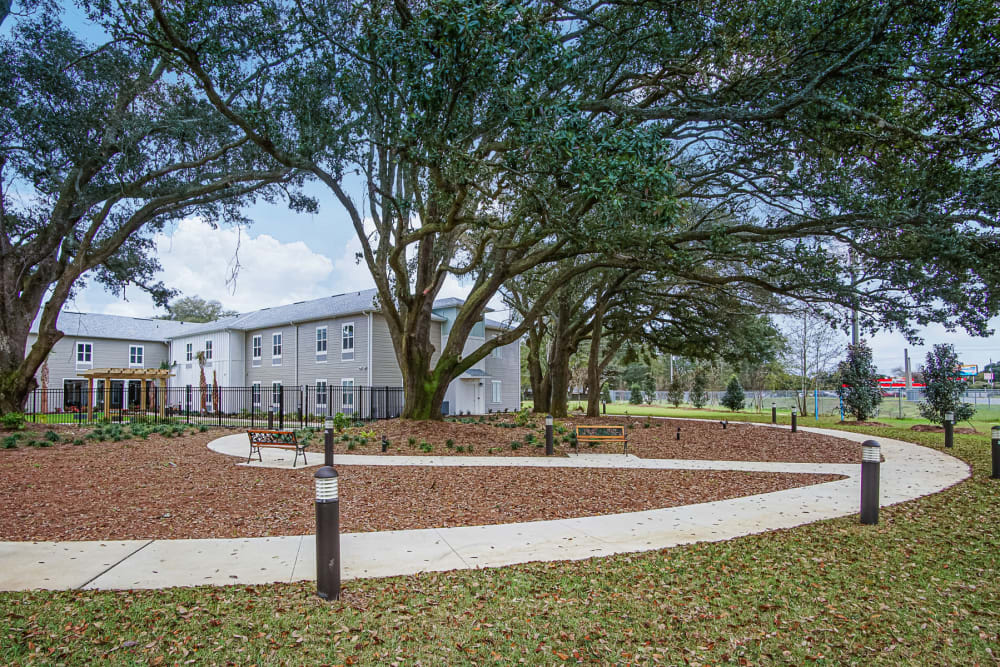
What to Look for in a Care Facility Near You
A nearby location can make visits and family involvement easier, but distance alone does not determine whether a community is suitable. A care facility near you should be evaluated by how well its services, environment, and approach match the resident’s needs.
Before arranging a visit, ask:
- How are personalized care plans created and updated?
- What daily activities can staff assist with?
- How can residents reach staff in an emergency?
- Can meals be adjusted for nutritional needs?
- What is included in the monthly rate?
Cleanliness, staff availability, household support, meals, safety systems, and personalized routines can all affect daily life. Families exploring care homes in or near Zephyrhills can use the same questions for every community, which makes comparisons clearer and less influenced by first impressions.
The Administration for Community Living explains that long-term care may be provided in several settings, including assisted living, board and care homes, and nursing homes. Comparing the support, routines, meals, and choices available in each setting can help you identify which option better fits the resident’s needs.
How to Evaluate a Residential Care Facility During a Tour
A tour gives you the chance to see how written descriptions translate into daily life. Pay attention to what you observe, but also ask how the community would respond to the older adult’s specific needs.
Observe the Living Environment
Notice cleanliness, lighting, noise, comfort, and ease of movement. Consider whether the space feels like somewhere the resident could settle into a familiar routine.
Ask How a Typical Day Is Personalized
Describe the resident’s usual schedule and ask how staff would support it. Discuss wake-up times, meals, personal assistance, appointments, and preferred routines.
Discuss Care Planning in Specific Terms
General questions often lead to general answers. Explain the exact kind of help that may be needed and ask how it would be included in the care plan.
Review Safety and Support Systems
Ask how residents contact staff, how emergency response systems work, and what happens when assistance is needed during the day or night.
Clarify Services and Monthly Costs
Request a clear explanation of what the rate includes and how changing support needs could affect it. Comparing the full service package can be more useful than looking only at one monthly figure.
Once you understand what you need to compare, review the community’s floor plans and pricing before or after your visit.
A Simple Decision Process for Choosing the Right Facility
A clear process can keep the decision from becoming a reaction to whichever community you visited most recently. Use five steps: identify needs, define preferences, verify services, compare the full experience, and decide together.
Begin by writing down the person’s daily assistance, meal, household, safety, and routine needs. Then compare each option using the same standards. Look beyond appearance or location to care planning, staff support, communication, meals, cleanliness, emergency procedures, and the living environment.
The Cost Comparison can help you examine the broader value of different living arrangements. A thoughtful decision includes both the monthly rate and what the resident receives in return.
What Residential Care Can Look Like at Serenity Pointe
Assisted living at Serenity Pointe in Zephyrhills includes personalized care plans, daily assistance, help with daily activities, housekeeping support, and personalized routines. Residents also have access to 24/7 staff support, emergency response systems, exterior video surveillance, and clean, comfortable living spaces.
The community provides nutritionist-designed menus with meals that can be adjusted based on nutritional needs. Monthly doctor checkups, regular podiatry visits, and regular eye care visits are also available. These features connect directly to several areas families often compare, including personal support, wellness access, meals, safety, and everyday routine.
Assisted living starts at $3,500 per month. Serenity Pointe is located at 38906 North Ave, Zephyrhills, FL 33542. Because the right fit depends on both services and individual needs, reviewing the available information and visiting in person can provide a clearer view of overall value.
Move Forward With a Clearer Picture of Care
Choosing among residential care facilities becomes more manageable once you know what support is needed and which questions to ask. Focus on the fit between the resident’s daily life and the community’s actual services, not only the name of the setting, its location, or its appearance.
To take a closer look at Serenity Pointe, you can schedule a personal tour or contact the community. A conversation and in-person visit can help you confirm whether the care approach, environment, and daily support feel right for your family.
Frequently Asked Questions
What is the difference between a nursing home and a residential care facility?
A residential care facility generally focuses on housing, meals, personal assistance, supervision, and support with daily activities. A nursing home provides full-time medical and nursing care for people with greater health needs. The right setting depends on whether the person mainly needs everyday support or ongoing clinical oversight. Ask each provider to explain its services, staffing, and care limitations before deciding.
What is an example of residential care?
Assisted living is one example of residential care. An older adult lives in a supportive setting and may receive prepared meals, housekeeping, personal assistance, staff support, and help with daily activities. The resident can continue completing tasks independently when help is not needed. Services vary between communities, so families should confirm exactly what is included.
What is the definition of residential care?
Residential care is a living arrangement that combines housing with ongoing support for personal and everyday needs. Services may include meals, housekeeping, supervision, emergency support, and assistance with daily activities. It can be appropriate for someone who needs more help than they currently receive while living independently. The exact services depend on the individual provider.
What is the difference between a care home and residential care?
A care home is a setting where residential care may be provided. Residential care is the broader term for housing combined with personal support, meals, supervision, or help with daily life. People often use “care home” and “residential care” interchangeably during their search. Families should compare actual services and support levels because terminology can vary.